
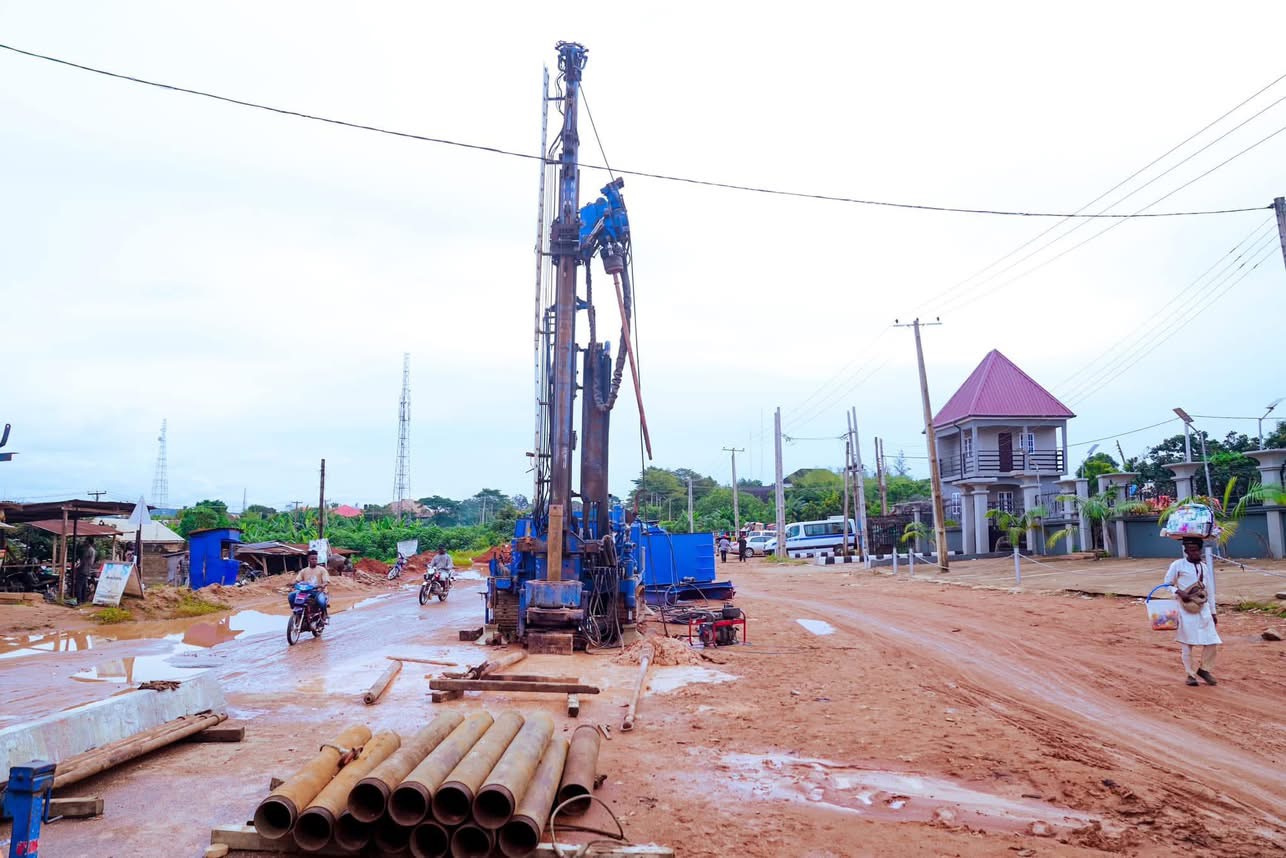
The Delta State Executive Council in July 2025 approved the design and construction of the Uromi Junction flyover in Agbor at a cost of ₦59.7 billion, making it one of the most significant infrastructure investments in the Ika South area. The project, awarded to Julius Berger Nigeria Plc, forms part of Delta State Governor Sheriff Oborevwori’s ambitious ₦230 billion infrastructure renewal agenda aimed at transforming urban mobility and driving economic development across Delta State.
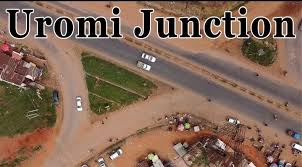
Consequently, on Monday January 19, when Governor Sheriff Oborevwori flagged off the construction of the N59.7 billion Agbor/Uromi Junction Flyover in Agbor, Ika South Local Government Area, it brought joy unimaginable to the people of the community and Deltans as a whole.
The project, includes a 1.3-kilometre flyover bridge along the Uromi–Agbor Highway, dual carriageways with two lanes in each direction, ramps, roundabouts, concrete drainage systems, kerbs, and solar-powered streetlights to enhance safety and sustainability.
At the groundbreaking ceremony for the project, Governor Oborevwori described the project as a critical intervention aimed at improving road safety, preserving lives, and boosting economic activities across the state and beyond.
He stated that the flyover was conceived out of the urgent need to address persistent traffic congestion and frequent accidents at the busy Agbor/Uromi Junction, which, he noted, had, over the years, claimed lives and destroyed property.
The dangerous intersection among vehicles, motorcycles, and pedestrians on the federal highway, coupled with poor traffic management, made a lasting solution inevitable, he said.
He disclosed that the contract for the design and construction of the flyover had been awarded to Julius Berger Nigeria Plc, with a completion timeline of 14 months.
The governor, who was accompanied by Monday Onyeme, his deputy and other top government functionaries for the groundbreaking ceremony, noted the strategic importance of the corridor. He described it as a major economic and transportation link connecting the Eastern and Western parts of the Niger Delta, while also serving as a gateway to the North.
“Anyone travelling from Lagos to the East or from the East to the West must pass through this route. Its importance to the national economy cannot be overstated,” he said, adding that upon completion, the flyover would significantly enhance mobility, reduce travel time, expand economic opportunities, and safeguard the lives of thousands of Nigerians who ply the route daily.

The governor also highlighted the employment opportunities the project would generate for engineers, artisans, labourers, transporters, food vendors, and others across the construction value chain.
The immediate past governor of the State, Dr. Ifeanyi Arthur Okowa, who gave his impression about the mega project, described the Agbor/Uromi Junction Flyover as a monumental and impactful project, and commended Governor Oborevwori for sustaining continuity and translating plans into tangible development.
He said the scale and spread of infrastructure projects across the state under the current administration reflected purposeful and people-oriented governance.
Okowa also used the occasion to commend President Bola Tinubu, noting that the ongoing economic reforms, though initially challenging, were deliberately steering Nigeria toward a more sustainable future.
The Uromi Junction has long been recognized as a critical but troubled intersection. For decades, residents endured deplorable road conditions, with potholes deep enough to cause vehicle damage, while heavy-duty trucks created daily traffic nightmares. The junction had become notorious for fatal accidents, particularly involving night travelers heading northward, earning it the unfortunate reputation as a ‘death trap’ along the strategic Benin-Asaba highway corridor.
The project features two roundabouts and a unique 30-meter span beam, which is considerably longer than beams used in comparable projects elsewhere in the state. According to road construction experts, this engineering challenge requires specialized equipment to be imported from Germany, which partly explains the elevated cost of the project. The technical sophistication of the design underscores the state government’s commitment to delivering world-class infrastructure that will serve the community for decades to come.
When completed, the Uromi Junction flyover is expected to transform the area in multiple ways. Traffic congestion, which has plagued commuters for years, will be significantly reduced, allowing for smoother movement of goods and services along this vital trade corridor. The junction sits strategically along the Benin-Asaba highway, a key route linking Delta State with Edo State and other parts of the South-South and South-East regions, making it crucial for regional commerce and connectivity.
Beyond traffic management, the project promises substantial economic benefits. Real estate values around Agbor are expected to rise as infrastructural renewal takes place, with new businesses likely to spring up and markets to expand. The construction phase alone will create employment opportunities for engineers, artisans, and local laborers, injecting liquidity into the local economy while advancing Governor Oborevwori’s promise of creating opportunities for all Deltans.
The Uromi Junction project is particularly significant for neighboring communities beyond Delta State. Traders and farmers from Igbanke and other neighbouring communities in Edo State, who rely on this route for market access, have long suffered from the junction’s poor conditions. For these communities, the flyover represents not just improved safety but also the revival of commercial opportunities that have been stifled by years of infrastructural decay.
More so, the progress at Uromi Junction reflects Governor Oborevwori’s MORE Agenda—Meaningful Development, Opportunities for All, Realistic Reforms, and Enhanced Peace and Security. With the groundbreaking ceremony and Julius Berger having already commenced preliminary works at the site, the administration has demonstrated its commitment to matching words with action. The groundbreaking ceremony for the project marked another milestone in Delta State’s infrastructure transformation journey.
As the Uromi Junction flyover takes shape alongside similar projects at Otovwodo Junction in Ughelli and the near-completion of flyovers at PTI Junction, DSC Roundabout, and Enerhen Junction, Delta State is positioning itself at the forefront of infrastructural modernization in the Niger Delta region.
The Uromi Junction Mega Flyover Project stands as testament to what can be achieved when political will meets technical expertise and adequate funding, promising a future where infrastructure truly serves as the foundation for community development and economic prosperity.


